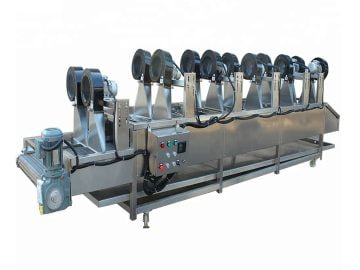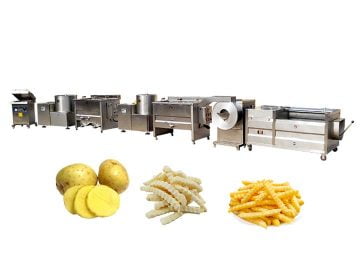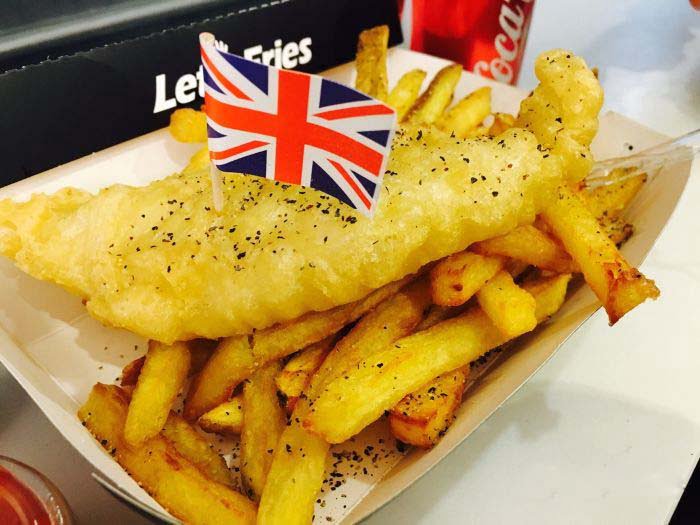
Fish & Chips is from the UK and have a long history. Almost all British people love delicious fish and chips. Today, fish and chips have become a symbol of Britain, and they can be made by continuous frying machines on large scale now. Therefore, Fish & Chips gradually become popular all over the world. So, how to make British Fish & Chips?
Die Geschichte der Entwicklung von Fish & Chips in Großbritannien
Bereits im 19. Jahrhundert produzierte Großbritannien, damals die Weltfabrik, eine große Anzahl von Arbeitern. Sie brauchten ein Essen, das kalorienreich, billig und bequem zu essen ist, so entstand Fish & Chips. Großbritannien ist ein Inselstaat, und die wichtigsten Zutaten sind Meeresfrüchte, insbesondere der reichlich vorhandene Kabeljau, der die relativ günstigste Zutat ist.
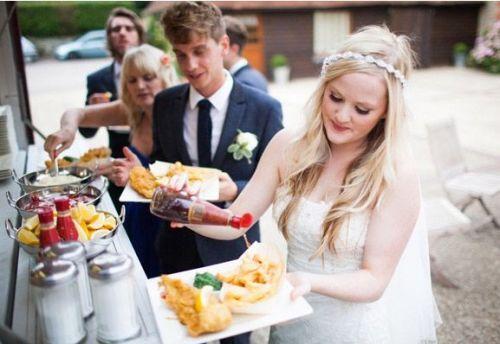
Der Ausbau der Infrastruktur der frühen Eisenbahn wurde abgeschlossen, was den Transport von Kabeljau in kurzer Zeit in verschiedene Teile Englands ermöglichte. Als ein jüdischer Junge namens Joseph Malin 1860 die erste Kombination aus Fish & Chips auf den Straßen Londons verkaufte, war das Essen tief in der Seele der Insel verwurzelt.
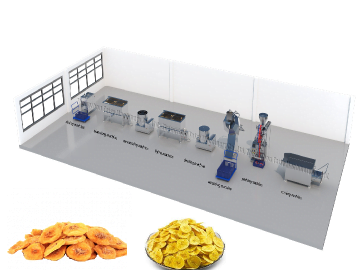
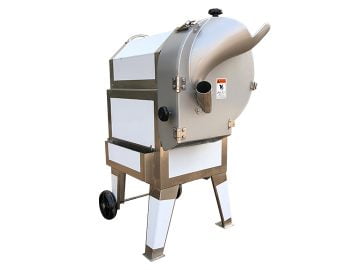
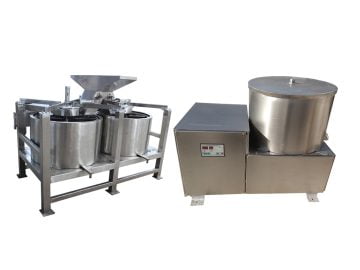
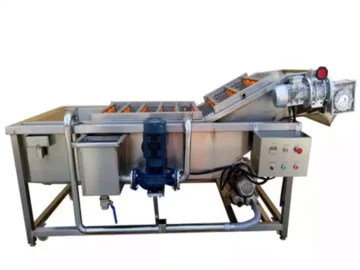
Today, technological advancement has driven the development of food machinery. A series of large-scale French fries processing machines and continuous frying machines have gradually replaced labor, which has increased the production of Fish & Chips, which has also accelerated the popularity of fish and chips in the UK and even in the international market.
Wie macht man britische Fish & Chips?
1. Zuerst müssen die Zutaten vorbereitet werden. Britische Köche wählen in der Regel Kabeljau. Weil Kabeljau sehr gut geeignet ist, um dieses Gericht zuzubereiten. Der nächste Schritt ist die Vorbereitung des Teigs im Voraus. Der Teig ist kein gewöhnlicher Teig, er heißt Bier-Teig, mit italienischem Mehl, Eiern und Bier. Der Teig wird einen Tag im Voraus zubereitet, also über Nacht, und je länger er steht, desto leichter lässt er sich frittieren.
2. Für die Behandlung des Kabeljaus zuerst Salz streuen, um überschüssiges Wasser zu entfernen. Dann das Salz abwischen und in den vorbereiteten schwarzen Pfeffer geben. Wir müssen das ganze Stück Fisch gleichmäßig verteilen, dann das überschüssige Pulver vom Fisch entfernen. Danach kann das ganze Stück Fisch in den Teig getaucht werden.
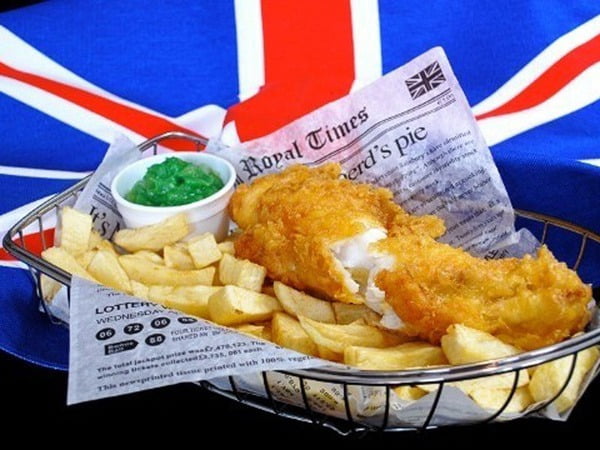
3. Then put the oil in a hot pot and heat the oil to 300 ° C. The process takes about 6 to 7 minutes. When processing in the factory, you can use a Gewerbliche Fritteuse or a kontinuierlicher Fritteuse. Then the fish in the batter can be picked up and fried in a frying pan. When frying, we must use a spatula to constantly pour oil on the upward side of the fish. After frying for a while, turn the fish over and repeat the action of pouring oil. Finally, fry until the two sides are golden brown to remove the oil.
4. Next, let’s make French fries. You can buy frozen french fries directly from the supermarket and then fry them in an oil pan. Frozen french fries are generally made by frozen french fries processing plants and sold to supermarkets. After the french fries are finished, we put it with the fried fish. Then sprinkle with salt and add side dishes such as peas and coriander. Add a few more drops of lemon juice, and an authentic British fish and chips is finished.