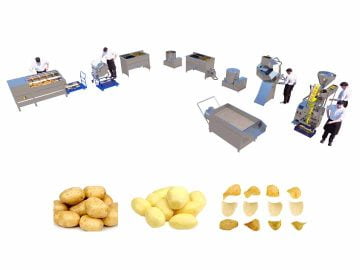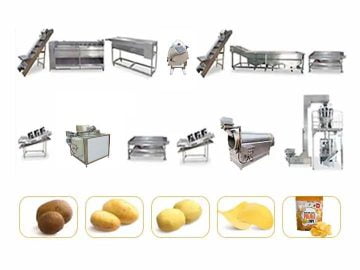
To make delicious and crisp potato chips, we can do it at home or in plants with the whole set of potato chips machines. If investors have the plan to produce potato chips, in addition to understanding the performance of a series of potato chip processing machines, they also need to understand how to use potato chip production equipment to mass-produce high-quality potato chips in plants.
پودے میں آلو کے چپس بنانے کا تفصیلی عمل
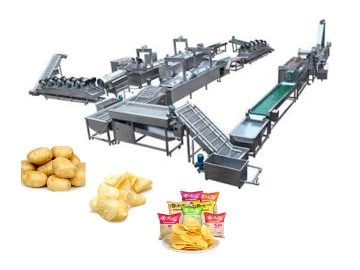
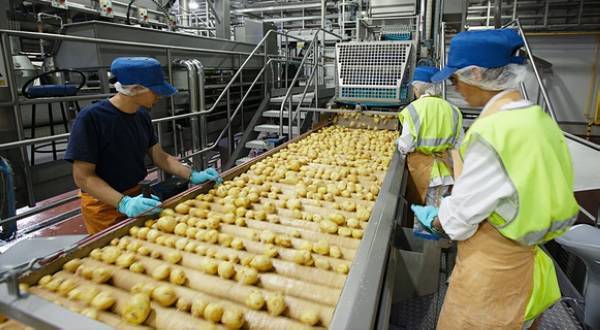
The specific process of making potato chips in large quantities in the factory: First, use an automatic washing and peeling machine to peel and clean potatoes as raw materials. After that, the washed and peeled potatoes are conveyed to the inspection table, and the peeled potatoes are manually sorted and sorted.
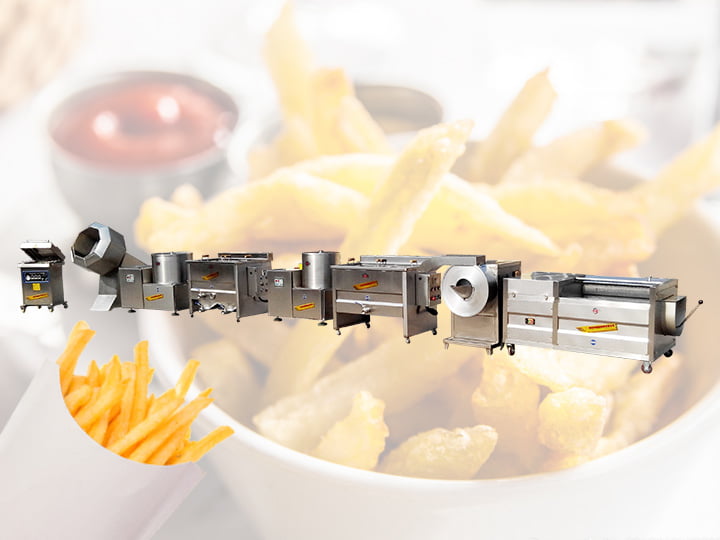
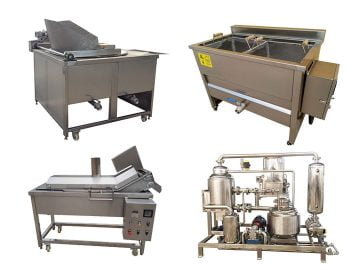
The belt conveyor then feeds the peeled potatoes into an automatic slicer. After the potatoes are cut into the required slices, the free starch is washed with water. The washed potato chips are sent to a بلانچنگ مشین for blanching.
Washed and blanched potato chips carry a large amount of attached water, so use a vibrating screen with a strong wind to separate individual potato chips, and blow-dry the attached water. Then it is transferred to a فرائیر مشین, and the moisture content of potato chips is reduced from 80% to 2% to obtain crispy potato chips.
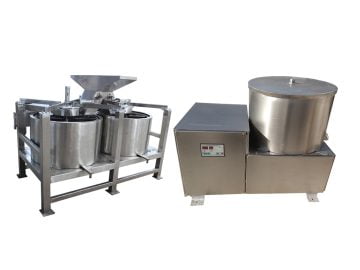
The oil content in the finished product of fried potato chips is between 30% and 40%, so an automatic deoiling machine is used to drain the oil remaining on the surface of the product. After that, the potato chips are conveyed to a drum seasoning machine for seasoning.
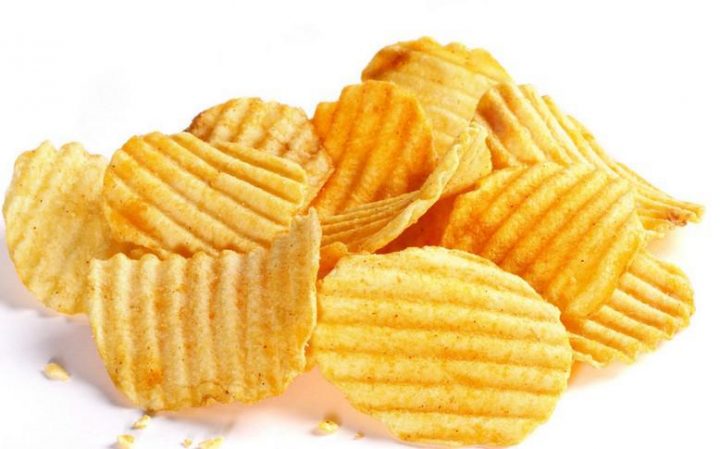
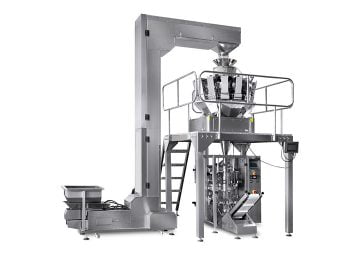
پروسیسر مختلف مصنوعات کی بنیاد پر مختلف مصالحے شامل کر سکتے ہیں۔ پھر ذائقہ دار آلو کے چپس کو پیکجنگ ورکشاپ میں پہنچایا جاتا ہے، اور مصنوعات کو مطلوبہ سائز اور شکل میں پیک کیا جاتا ہے۔
تائیزی میں عام فروخت ہونے والی آلو کے چپس پروسیسنگ لائنیں
اس وقت، تائیزی آلو کے چپس کی پیداوار لائنیں 50 سے زیادہ ممالک میں برآمد اور کامیابی سے نصب اور استعمال ہو چکی ہیں، جیسے مصر، امریکہ، ترکی، روس، سنگاپور، ملائیشیا، فرانس، برازیل وغیرہ۔ اور بڑی، درمیانی اور چھوٹی آلو کے چپس کی پیداوار لائنیں، جیسے 50 کلوگرام / گھنٹہ سے 300 کلوگرام / گھنٹہ، 500 کلوگرام / گھنٹہ سے 2 ٹن، دنیا بھر میں پیداوار میں لائی گئی ہیں۔